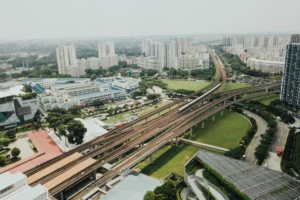
Brownfield sites are often assumed to have limited ecological value, but in reality, many support diverse and unique habitats. In particular, open mosaic habitats found on previously developed land can be highly valuable for biodiversity.
These habitats frequently support a wide range of invertebrates, plants, and reptiles, sometimes exceeding the biodiversity value of intensively managed greenfield land.
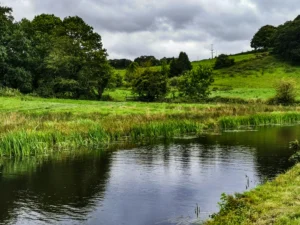
With careful design, brownfield developments can deliver significant ecological benefits. Techniques such as habitat mosaics, native planting, and wetland creation can enhance biodiversity while maintaining development viability.
Retaining key features and incorporating them into site design can improve both ecological outcomes and planning success.
Understanding the ecological baseline early is critical. This allows developers to design around constraints and maximise opportunities for biodiversity enhancement.
Rather than viewing ecology as a barrier, it should be seen as a tool for adding long-term value to development projects.