The Future of Ecology in Development

Ecology is becoming an increasingly important part of the development process, driven by regulation, policy, and growing environmental awareness. 

Biodiversity Net Gain is one of the most significant recent changes, requiring measurable improvements in biodiversity for most developments in England. 

Advances in technology, such as eDNA testing and improved mapping tools, are increasing the efficiency and accuracy of ecological assessments. 

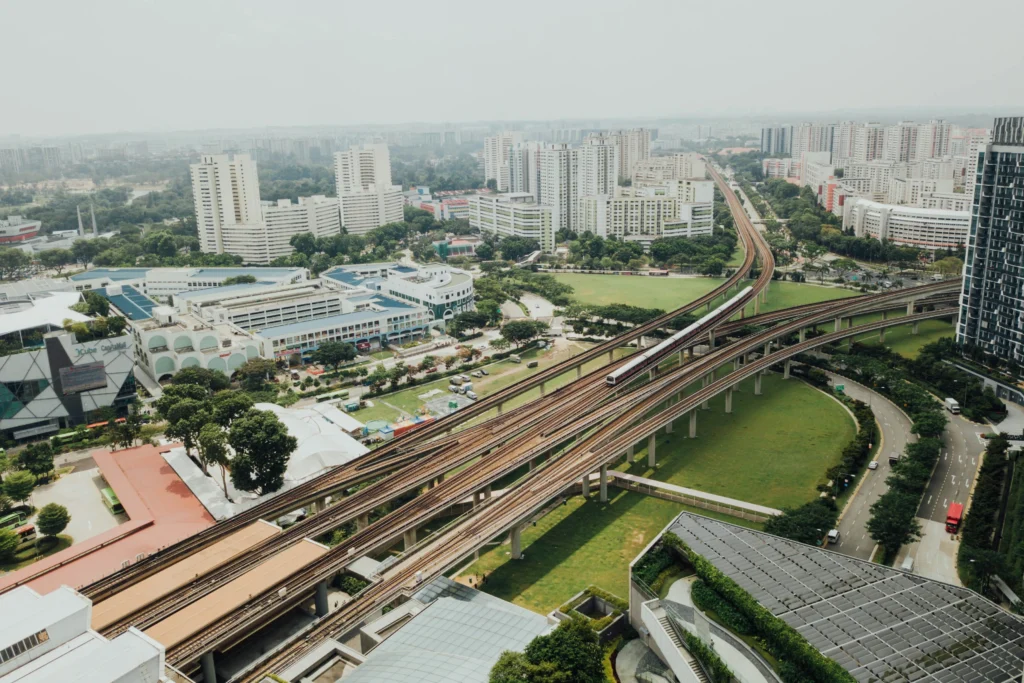
There is also a growing focus on integrating green infrastructure into developments, including green roofs, living walls, and sustainable drainage systems. 

Strategic approaches such as habitat banking and landscape-scale conservation are also becoming more common. 

Developers who integrate ecology early and effectively will be better positioned to meet requirements and deliver sustainable, future-proof developments.
Our Latest Blogs

Common Ecology Mistakes in Planning

Many planning delays are caused by avoidable ecological issues. Understanding common mistakes can help developers reduce risk and improve outcomes.  One of the most frequent issues is leaving ecology too late in the process. This reactive approach can lead to missed survey windows and costly redesigns.  Another common mistake is commissioning incorrect or incomplete surveys, often due to a lack

Read More

Great Crested Newts and Development

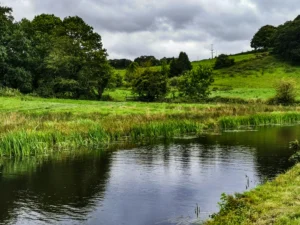
Great crested newts are one of the most protected species in the UK and can have a significant impact on development proposals.  The presence of ponds within or near a site often triggers the need for further assessment following a Preliminary Ecological Appraisal.  Initial assessments may include a Habitat Suitability Index evaluation, followed by presence or absence surveys where appropriate.  Surveys typically take

Read More

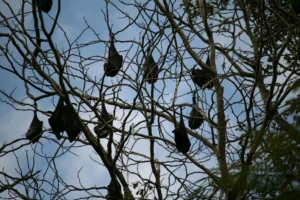
Bat Surveys Explained 

Bats are one of the most commonly encountered protected species in development projects, and they are subject to strict legal protection.  If a site includes buildings, trees, or structures with potential to support bats, a survey is often required as part of the planning process.  The process usually begins with a Preliminary Roost Assessment, which involves a daytime inspection for signs of bats and

Read More